

Stomach & Intestines
Support for Stomach & Intestinal Complaints



How can CBD support digestion?
CBD's interaction with the endocannabinoid system, which regulates various physiological functions, can influence digestive processes.
CBD and Stomach & Intestines
CBD can improve digestive health through its anti-inflammatory properties, which alleviate inflammation in the digestive tract.
Additionally, its anxiolytic and relaxing effects can gently reduce stress, a common disruptor of gastrointestinal function.
CBD's interaction with the endocannabinoid system (ECS) also helps regulate appetite and promote a healthy digestive balance, supporting overall digestive health.
How do I dose CBD correctly?
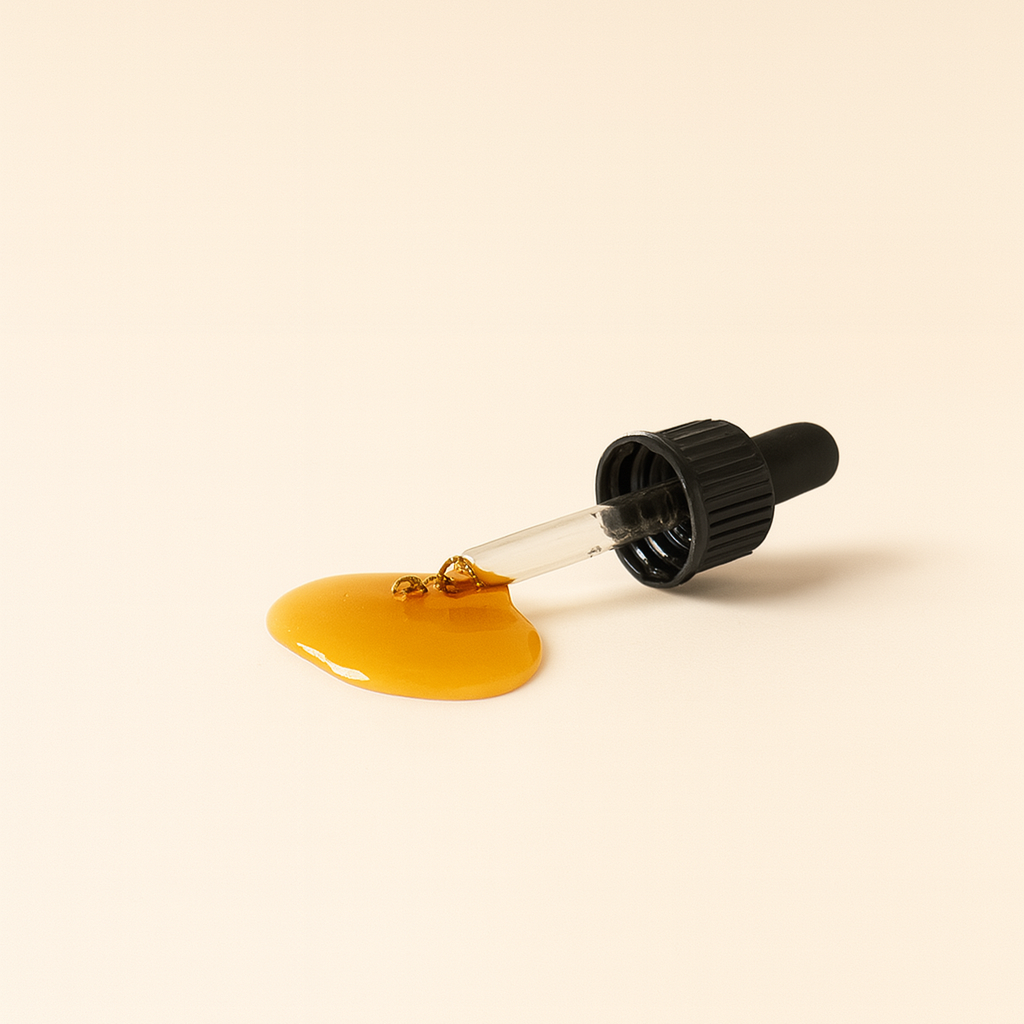
The best CBD oil concentration and dosage for you depends on various personal factors and the area of application. A rule of thumb for starting CBD intake is: "start low, go slow!". It's best to approach it slowly and increase the dose bit by bit until the desired effect is achieved. Our CBD oil dosage table can give you an initial guide. It's best to drip CBD drops directly under your tongue using the pipette. Let the CBD oil work briefly there. This way, the oil can be ideally absorbed through your mucous membranes and distributed throughout the body.
CBD interacts with the endocannabinoid system (ECS), which plays an important role in regulating digestive processes and inflammatory responses. Through this interaction, CBD can help minimize inflammation, reduce nausea, and promote gut health.
CBD is generally considered safe, even for people with gastrointestinal conditions. However, in severe cases or if medication is already being taken, a doctor should be consulted before using CBD to avoid possible interactions.
The effects of CBD can vary. When taking oils and tinctures, effects typically occur within 30 minutes to an hour. With regular use, it may take several days before a significant improvement in symptoms is noticeable.

Laboratory tested

Developed in Berlin

Personal consultation