

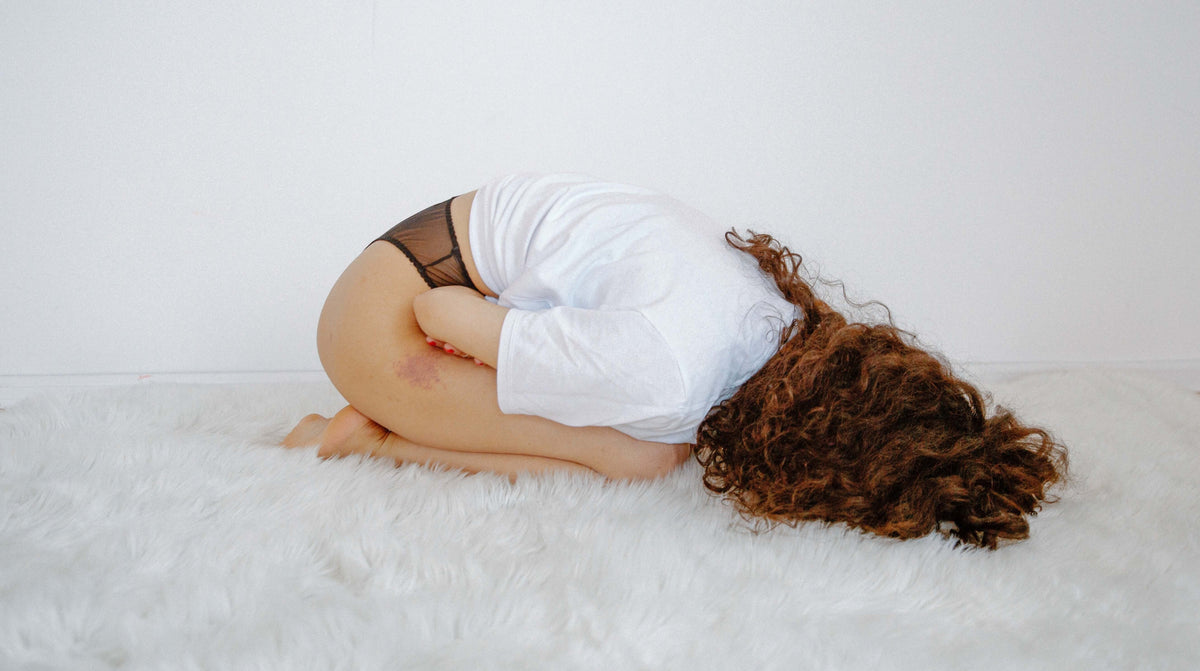
Period Pain Relief - These tips really help
|
|
Time to read 4 min
Kostenlose Lieferung ab 59€ 🚚
|
|
Time to read 4 min
Many women suffer from pain during their period. Around 10% even resort to painkillers to better cope with the discomfort. However, these usually only provide short-term relief and harm the body due to their chemical composition. Here are 10 helpful tips that can help you manage your menstrual pain better and more sustainably.
Drink plenty of tea and water, because even if you are suffering from abdominal pain, adequate fluid intake is important.
It sounds strange, but it's true. Rather avoid fat; the result is less breast tenderness, migraines, and water retention.
The artificial hormones balance the hormone levels, resulting in less pain. Nevertheless, you shouldn't just take the pill for pain. Consider carefully whether this type of contraception is really right for you. Get detailed advice from your gynecologist. Learn more about the interactions between the pill and CBD here.
Smokers suffer more often from lower abdominal pain than non-smokers, as smoking leads to poor blood circulation in the tissues, which in turn leads to cramps that you naturally want to avoid.
Menstrual pain is usually alleviated by taking painkillers such as paracetamol. However, these medications only help to a limited extent against the symptoms. In addition, tablets put a heavy strain on the stomach and should not be taken regularly. Gynecologists often prescribe the pill for menstrual pain as it regulates hormone balance. However, hormonal pharmaceuticals strongly influence the natural hormonal balance and cause a variety of side effects.
CBD is a good alternative for menstrual pain. CBD has pain-relieving and antispasmodic properties and can be used for all types of pain conditions. CBD oil can be an effective and over-the-counter alternative for menstrual pain and is well-tolerated. But CBD can do more than just relieve pain. Learn more about how CBD can holistically support your menstrual cycle.
Vitamin D acts like a hormone and influences various bodily processes. It is beneficial for the body in almost all health matters, which is why you should also use it, especially during your period. Pay attention to the composition of the preparations; for example, they should also contain vitamin K2. K2 enables vitamin D to be better absorbed by the body. Another vitamin that can help with menstrual complaints is vitamin E. This vitamin has an antioxidant effect and also influences blood clotting and the release of inflammatory cells. This makes vitamin E an important cell-protective vitamin.
In the long run, nutrition is one of the most important factors. A study from 2005 concluded that subjects who restricted their consumption of animal protein experienced less menstrual pain. As much as one might crave pizza, fast food, and sugar during their period, they should be avoided to prevent pain. They are pro-inflammatory and, due to their hormonal effect, intensify the accompanying symptoms of periods.
Everyone knows the feeling: you haven't slept well and wake up feeling battered. Sleep is crucial for our health and naturally also affects menstruation. Try to go to bed at the same time during your period. An irregular sleep rhythm can irritate the cycle and thus trigger cramps and bad moods.
Menstrual cramps are just muscle tension. Muscle tension can be wonderfully relieved with a hot water bottle. Why should it be any different for menstrual cramps? Heat opens blood vessels, increases blood circulation, and eases the pain. There are special heat pads for periods, heat cushions, or thermophores. A bathtub also has the same warming effect. But beware: bathing for too long can promote cramps afterward, and that would, of course, be counterproductive.
When you have cramps and don't feel particularly well, you just want to stay in bed all day. However, it is now important to activate your circulation. Light exercise is not strenuous sports. This means a walk will do you good, just have courage.
Generally, there are two different types of menstrual pain: primary and secondary pain. In the primary form, pain begins in puberty. There is usually no specific cause for the menstrual pain, and the affected women are healthy. In the secondary form, pain begins with increasing age. The symptoms are caused by diseases such as uterine inflammation, ovarian cysts, or endometriosis.
Primary menstrual pain usually has no concrete cause. Rather, the body's own messenger substances are responsible for the onset of cramps and pain. However, there are also factors that can negatively influence the likelihood of occurrence and the intensity of period pain:
Secondary menstrual pain often follows endometriosis, which affects about 10% of all women. This benign uterine disorder often goes undiagnosed. Other causes of secondary pain include fibroids or pathological changes after uterine inflammation.
Typical symptoms of primary menstrual pain are pulling and cramping pains in the lower abdomen. The pain can radiate to the back and is caused by contractions of the uterine muscles. The symptoms usually start shortly before menstruation and are strongest on the first two days.
In addition to pain, malaise, decreased performance, and fatigue are common. The symptoms of secondary menstrual pain often resemble those of primary symptoms. If the pain is caused by endometriosis or fibroids, affected women often report prolonged bleeding. If menstrual pain is unusually severe, a gynecologist should always be consulted. The doctor can rule out or diagnose a uterine disorder through gynecological examinations.


